
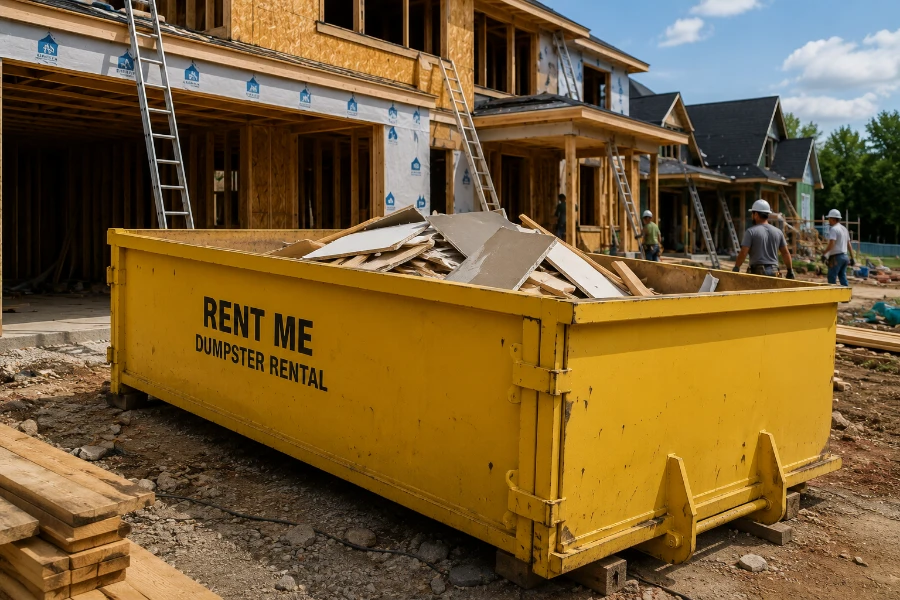
Macon Heavy-Debris & Concrete Haul-Off
Concrete Dumpster Rental in Macon, GA
Weight-rated roll-off dumpsters built for the real load of concrete, brick, and asphalt — dropped fast across Bibb County and Middle Georgia with a clear 10-ton limit and no surprise overage.
Rated For 10 Tons
Same-Day Drop-Off
Flat-Rate Heavy Debris
No Overage Surprises
Weight-Smart Concrete Haul-Off
The Right Roll-Off for Concrete & Heavy Debris in Macon
Concrete is the heaviest debris most people ever throw away — roughly 4,000 pounds per cubic yard. A bin that looks half-empty can already be at its road-legal limit. Do you know how many tons of concrete your project actually adds up to? That number, not the size of the pile, is what decides which container is safe and legal to haul in Macon.
We drop weight-rated concrete dumpsters across Macon, Warner Robins, Perry, Byron, and Gray — from Ingleside and Vineville driveway removals to foundation work in North Macon. Every bin comes with a clear 10-ton allowance and a flat rate, so a heavy load never turns into a surprise overage charge.
What We Handle
Concrete & Heavy-Debris Jobs We Handle in Macon
🧱
Driveway & Patio Removal
Broken-up concrete driveways, patios, and walkways from Macon homes — dense rubble that needs a weight-rated bin, not just a big one.
🚧
Sidewalk & Slab Demo
Old sidewalks, porch slabs, and garage floors busted out and hauled off so your new pour has a clean, clear base.
🧱
Brick & Block Debris
Chimney tear-downs, retaining walls, and cinder block from Macon renovations — heavy masonry we’re built to carry.
🛣️
Asphalt Tear-Outs
Old driveway and lot asphalt milled or broken up for repaving, sized for the tonnage instead of the pile height.
🏊
Pool & Foundation Removal
Concrete from filled-in pools, footings, and foundation work — some of the heaviest debris in Middle Georgia, handled right.
👷
Contractor Clean Loads
Clean concrete-only loads for masons and concrete crews who need dependable, weight-rated bins on a schedule.
Sizing by Weight, Not Volume
What Size Concrete Dumpster Do You Need in Macon?
With concrete, bigger is usually the wrong instinct. Because it weighs so much, most Macon concrete jobs use a 10-yard bin ($300+) that hits the 10-ton limit long before it looks full, while lighter mixed loads may take a 15–20 yard ($325–$495). Larger clean-concrete projects run $300–$650 depending on tonnage. Not sure whether your load is all concrete or a mix? Tell us the square footage and thickness and we’ll size it so it’s safe, legal, and flat-rate.
The Weight Factor
Why “Bigger” Is the Wrong Instinct With Concrete
It feels natural to order the biggest dumpster you can — but with concrete, a full 40-yard bin would be far too heavy to legally haul. Trucks are capped at around 10 tons on the road, and concrete hits that ceiling in a surprisingly small container. National broker sites that price by volume and subcontract to the cheapest hauler often get this wrong and stick you with overage fees. We’re local to Macon, we know exactly what a cubic yard of concrete weighs, and we match you to a right-sized, road-legal bin at a flat rate — no middleman markup, no surprise charge when the load scales.
More Ways We Help
Related Dumpster Services in Macon
Good to Know
Concrete Dumpster Questions, Answered
How much does a concrete dumpster cost in Macon?
Concrete roll-offs start at
00+ for a 10-yard container and run up to about $650 for larger clean-concrete loads. Because concrete is so heavy, every bin includes a clear 10-ton allowance and a flat rate, so you won’t get hit with a surprise overage bill.What size dumpster do I need for concrete?
Smaller than you’d expect. Concrete weighs roughly 4,000 pounds per cubic yard, so most Macon jobs use a 10-yard bin that reaches the 10-ton road limit before it looks full. Lighter mixed loads may take a 15–20 yard. Tell us the square footage and slab thickness and we’ll size it exactly.
Why can’t I just get the biggest dumpster for concrete?
Because a full large bin of concrete would be too heavy to legally haul. Trucks are capped at around 10 tons on the road, and concrete hits that ceiling in a small container. Ordering oversized just wastes money and risks overage — right-sizing by weight is the smart move.
What can go in a concrete dumpster?
Clean concrete, brick, block, asphalt, and masonry rubble are ideal. Keeping loads to clean concrete only often qualifies for the best rate since the material can be recycled. Avoid mixing in dirt, trash, wood, or hazardous material — ask us and we’ll tell you what belongs.
Do you serve areas outside Macon?
We cover Macon plus Warner Robins, Perry, Byron, Gray, Forsyth, and Bonaire, along with neighborhoods like Ingleside, Vineville, North Macon, and Shirley Hills. If your concrete or demolition job is in Middle Georgia, we can usually reach it.
How fast can you deliver a concrete dumpster?
Often the same day you call. Just give us the address in Bibb County or a nearby town and a rough idea of the tonnage, and we’ll get a weight-rated bin dropped so your crew can keep moving.
Ready to Haul Off Your Macon Concrete?
Get a fast, flat-rate quote and we’ll drop a weight-rated concrete dumpster anywhere in Macon or Middle Georgia — with a clear 10-ton limit and often same-day service.